
Project note
B50 at TBBM Padalarang: product update in the terminal automation system
With the national B50 mandate in force from 1 July 2026, Citia reconfigured the FD Flow application at Fuel Terminal Padalarang to handle Biosolar B50 in place of B40.
- Project note
- Type
- Project note
- Published
- 13 November 2026
- Location
- Padalarang, Bandung Barat, Jawa Barat
- Reading time
- 4 min
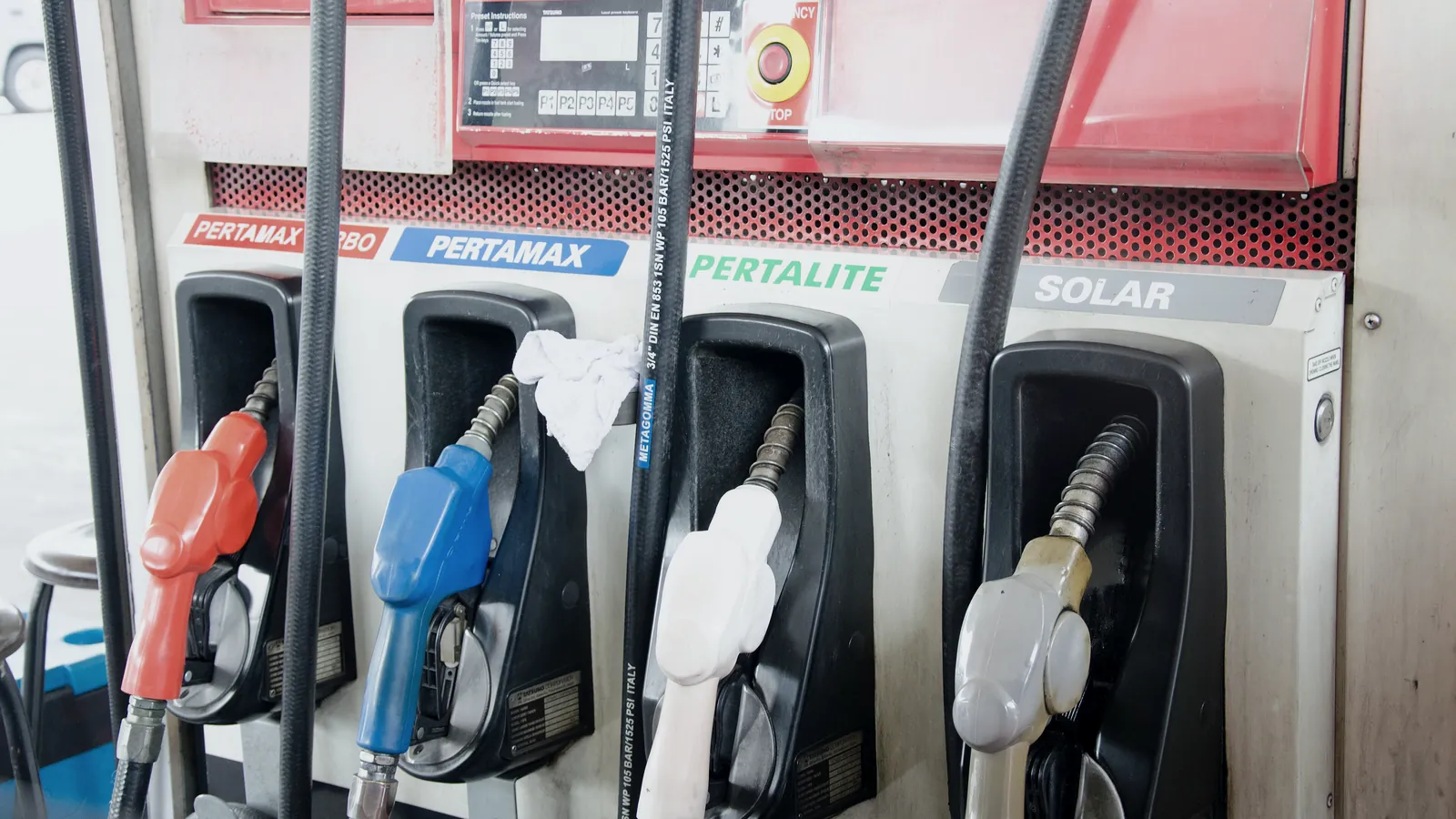
B50 is diesel fuel (minyak solar) blended with 50 percent biodiesel made from palm oil. Kementerian ESDM made the blend mandatory through Keputusan Menteri ESDM No. 257.K/EK.01/MEM.E/2026 dated 17 June 2026, and the Directorate General of Oil and Gas set the B50 fuel specification in Keputusan Dirjen Migas No. 75.K/MG.06/DJM/2026, signed on 25 June and in force from 1 July 2026.
For a fuel terminal the change is not only in the tank. The terminal automation system has to know the new product, so every loading order, meter batch and delivery record carries the right material. That is the job Citia finished at Fuel Terminal Padalarang.
From regulation to the loading bay
- 17 Jun 2026
B50 blending obligation set
Kepmen ESDM No. 257.K/EK.01/MEM.E/2026.
- 25 Jun 2026
B50 fuel specification signed
Kepdirjen Migas No. 75.K/MG.06/DJM/2026, cetane number 48 and 51 grades.
- 1 Jul 2026
B50 in force
The specification decree takes effect.
- 9 Jul 2026
Official launch
Launched at the KM 57 rest area, Karawang.
- Mid-Sep 2026
76 of 104 terminals on B50
28 terminals still in transition from B40, per Kementerian ESDM.
What changed in the TAS
The update focused on the FD Flow application, the part of the Padalarang TAS that handles loading transactions. The product code changed from the B40 scheme to B50, which carries two risks: an operator picks the wrong product, or a transaction is recorded against the wrong material.
The terminal had a defined set of active materials, Biofame and Biosolar B50, as listed on the project page. The PSO and NPSO material codes were still pending, so they were deliberately left out of the operational configuration. The system had to handle only the active materials.
Reconfigure products
Products in FD Flow were reconfigured for the B50 scheme.
Update material codes
The Biofame and Biosolar B50 codes were added or updated.
Run test transactions
Test transactions used the new product codes.
Document
Updated screens and test results were recorded.
- 50%Biodiesel share in B50Kementerian ESDM
- 76 / 104Terminals distributing B50Mid-September 2026, Kementerian ESDM
- 6,050 / 6,412Petrol stations with B50About 94 percent, Kementerian ESDM
Lessons from the update
The project page records four lessons that apply to any product change in a TAS: validate active material codes before the system update; never configure pending materials as operational products; run a test and document every product change; and follow the operational scheme in force at the terminal.
The Kepdirjen Migas decree adds a point for the receiving side: the biodiesel (B100) specification is the quality reference for accepting biofuel before it is blended with pure diesel (B0). For the wider TAS picture, see terminal automation system and Citia's ongoing Padalarang TAS lifecycle support.
Common questions
What is B50 fuel in Indonesia?
B50 is diesel fuel blended with 50 percent palm-oil biodiesel. Kepmen ESDM No. 257.K/EK.01/MEM.E/2026 made the 50 percent blend mandatory.
When did B50 become mandatory?
From 1 July 2026, the date the B50 specification decree took effect. Kementerian ESDM launched the programme officially on 9 July 2026.
What has to change in a terminal automation system for B50?
The product and material codes used for loading transactions. At Padalarang that meant reconfiguring FD Flow, updating the active codes and running test transactions before use.
Why were the PSO and NPSO codes not configured?
They were still pending at the time of the update, and pending materials must not be set up as operational products.
Sources and further reading
- Keputusan Dirjen Migas No. 75.K/MG.06/DJM/2026 tentang Standar dan Mutu (Spesifikasi) BBM Jenis Solar (B50) (opens in a new tab)
- Targetkan Stop Impor Solar, Menteri Bahlil: B50 Dimulai 1 Juli (opens in a new tab)
- B50 Diluncurkan, Pemerintah Targetkan Hemat Devisa Rp170 Triliun dan Stop Impor Solar (opens in a new tab)
- Kawal Implementasi B50, Kementerian ESDM Perkuat Uji Teknis dan Dialog dengan Industri Otomotif (opens in a new tab)
- B50 product update, Padalarang fuel terminal (opens in a new tab)
- Padalarang TAS lifecycle support (opens in a new tab)
- Cover photo by Henri Aja, CC BY-SA 4.0 (cropped and colour graded) (opens in a new tab)
Next step
Discuss a similar need at your facility.
Tell us about the equipment and the process. The Citia team answers with technical context.
Related products and solutions
- KnowledgeB50 at fuel terminals: what changes in terminal automationB50 means at least 50% biodiesel in diesel from 1 July 2026. See what changes in product data, recipes, batch controllers and documents, and how to test before the first load.
- ProjectB50 product update, Padalarang fuel terminalReconfiguration of the FD Flow application in the TAS at Pertamina Padalarang so Biosolar B50 replaces Biosolar B40 from 1 July 2026.
- ProjectPadalarang TAS lifecycle supportDistribution TAS maintenance and troubleshooting
- ProductINTEGRA TASRuns truck loading at fuel and LPG terminals, from order and gate-in to filling and gate-out documents.
- ProductCATALYST CT-BCConnects loading-bay batch controllers to the terminal system.
- KnowledgeTerminal Automation System (TAS): what it is, its components and how it worksA terminal automation system (TAS) runs fuel and LPG truck loading, from order and gate-in to metering, delivery documents and gate-out.
- KnowledgeBatch controllers in truck loading: function, operation and TAS integrationA batch controller loads a preset volume at the bay, stages the valve and stops on time. See how it works, how it links to a TAS and why batches overrun.