2026Ongoing
Padalarang TAS lifecycle support
Distribution TAS maintenance and troubleshooting
- Year
- 2026
- Location
- Bandung Barat, Jawa Barat
- Status
- Ongoing
- Citia's role
- LTSA and installed-base support
- Work types
- Other
- Updated
Padalarang support covers FDM/FD-Flow applications, TAS hardware and communications checks within the contract. Visits, database backups, inspection records and fault investigation form part of maintenance work.
Overview
The Padalarang TAS long-term service agreement (LTSA) is a maintenance service for the facilities and infrastructure of the Terminal Automation System (TAS) at the Pertamina Bandung Group Fuel Terminal Padalarang. Its purpose is to keep the TAS reliable, available and running without interruption. The TAS supports product distribution and dispatch at the Padalarang Fuel Terminal.
The scope covers maintenance and troubleshooting of software, hardware, TAS supporting facilities and communication equipment, including:
Distribution software: FDM and FD-Flow.
TAS hardware: TAS Server, FD-Flow PC, Gate Interface PC and Tapping Card/NFC Reader.
TAS supporting equipment and facilities, such as the delivery note printer and the LI printer.
Communication equipment: Communication Card and Fiber Optic.
Besides maintenance and troubleshooting, the Padalarang TAS LTSA team carries out a monthly visit for routine maintenance and coordination. During the visit, the team meets the field team and the Pertamina engineering and distribution supervisors to discuss system condition, operational problems and maintenance needs.
The team also makes a database backup on the server during each monthly visit. This protects the data on the TAS and keeps it available.
Through maintenance, troubleshooting, routine coordination and database backup, the Padalarang TAS LTSA helps the TAS support smooth and reliable product distribution and dispatch. It also reduces the chance of faults that could affect Fuel Terminal operations.
Challenges
Monthly administration and invoicing needed coordination with Pertamina in Ujung Berung, so regular follow-up was required.
Some supporting equipment outside the TAS contract scope had faults that could affect TAS operations. As a result, problems on the TAS were sometimes seen as the responsibility of the TAS LTSA Team.
It was hard to keep the LTSA limits of responsibility and scope of work clear, especially when an operational problem or a suspected process irregularity involved the TAS.
There was a risk of misinterpreting the functions and access of the TAS. The LTSA team could be linked to a fraud case that should be traced from data, system logs and the authority of each party.
Solutions
Followed up on administration and invoicing at regular intervals and kept in contact with the Pertamina PIC in Ujung Berung to speed up administrative processing.
Identified and documented the source of each problem, separating faults from the TAS from faults on supporting equipment outside the contract scope.
Troubleshot from evidence, such as hardware, software, database, configuration and system log checks, so each problem was settled from data and not from assumptions.
Made the LTSA scope of work, authority and responsibility clearer through work documentation, handover reports, inspection results and maintenance reports.
Kept the audit trail and system security, including routine database backups and records of maintenance activity and configuration changes.
Coordinated with the parties concerned when an irregularity or an activity that could involve fraud was found, so the investigation could rely on the available data and evidence.
Lessons learned
Complete documentation is essential to prove system condition, maintenance activity and the limits of each party's responsibility.
Every fault needs a root cause analysis first, to confirm whether it comes from the TAS, supporting equipment, the network or operational factors.
All parties must clearly understand the scope of work and access authority, to avoid misunderstandings about LTSA responsibility.
Database backups and upkeep of the audit trail and system logs protect the data and also provide evidence if a problem or investigation arises.
Regular communication with the field team and supervisors speeds up problem identification and stops operational problems from growing into bigger issues.
From site
Field photos.
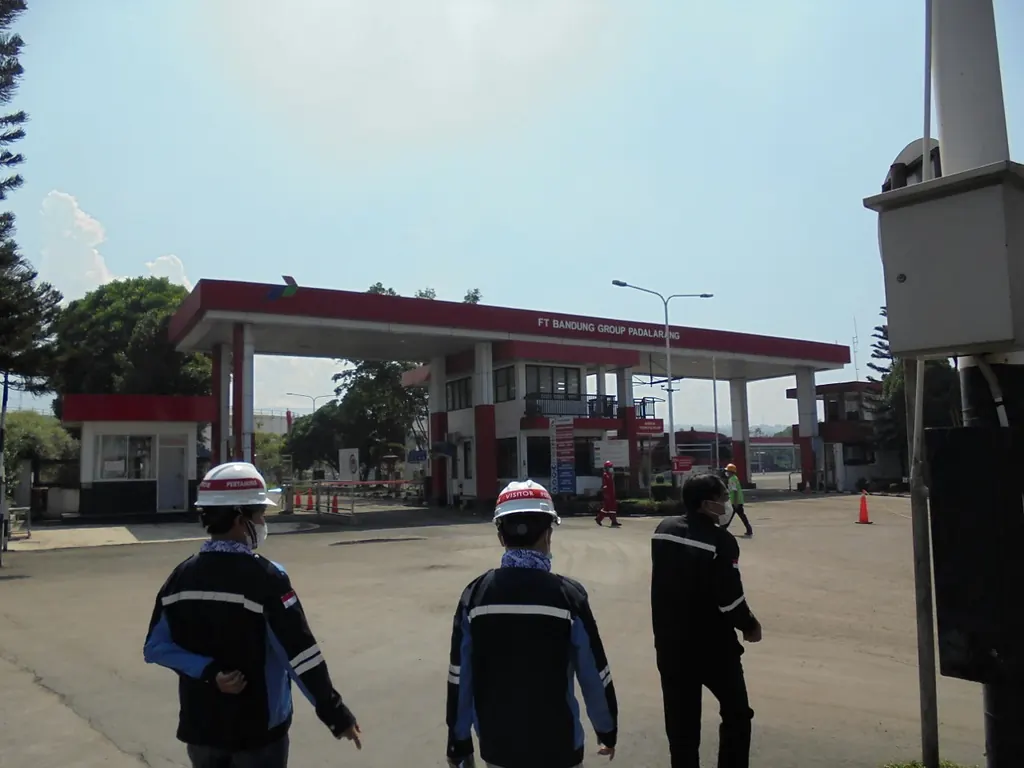
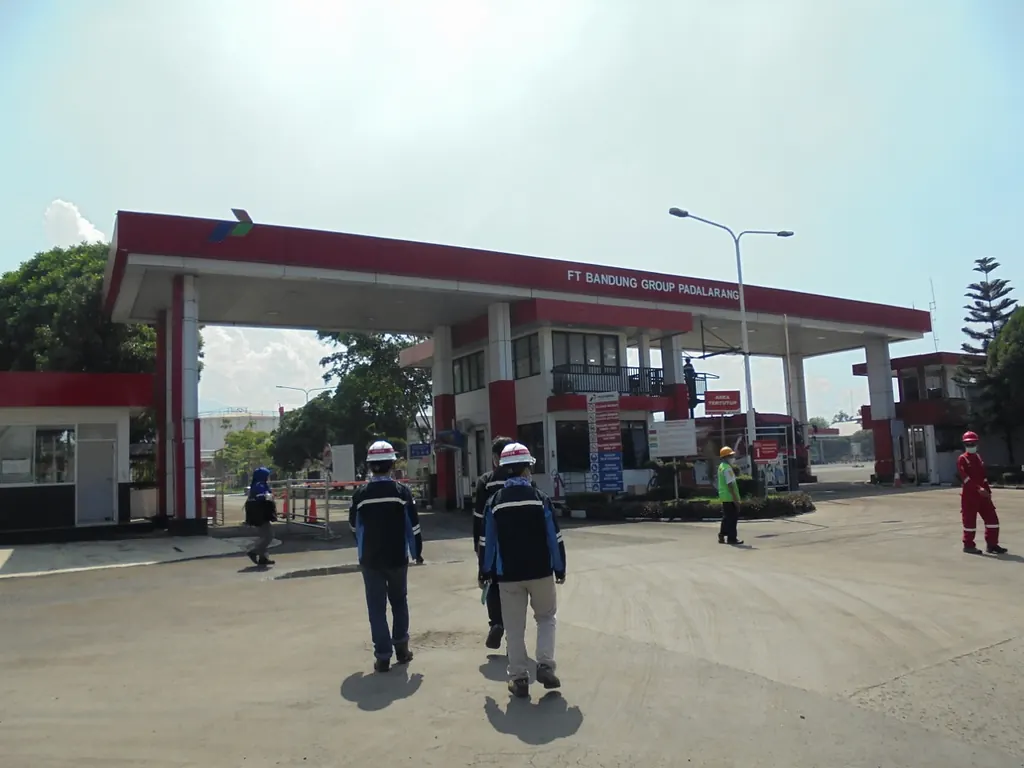
Padalarang Terminal: Workers facing a loading gantry canopy 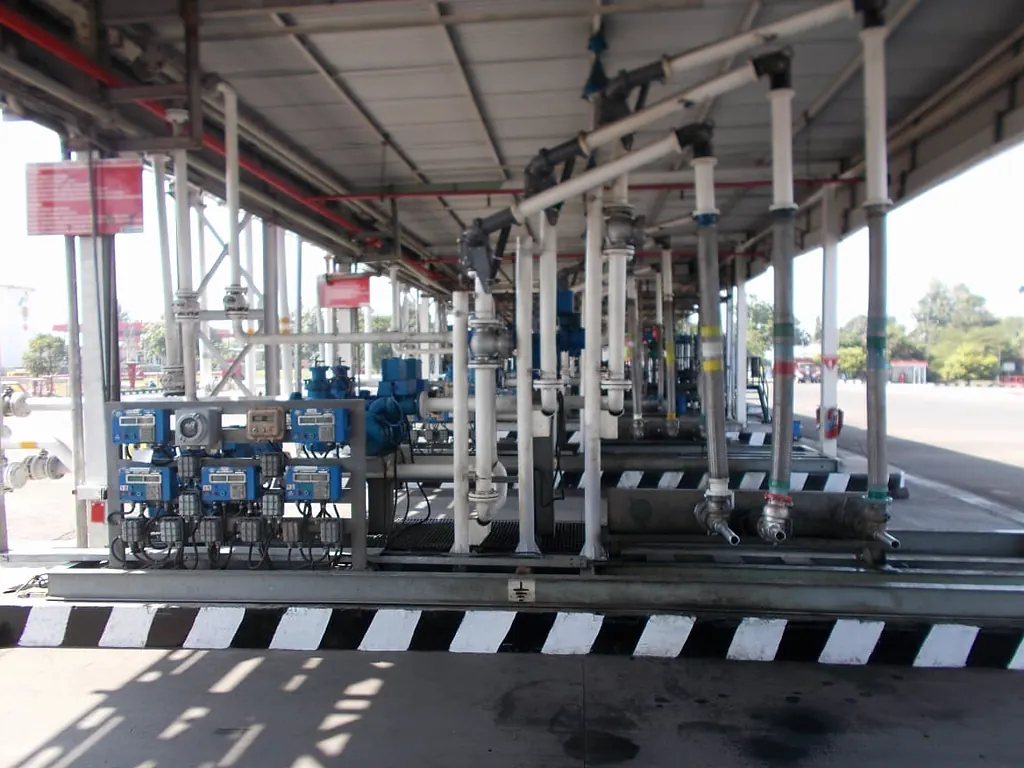
Padalarang Terminal: Loading pumps and pipework under a canopy
A similar need?
Tell us about your facility.
Name the equipment you run and what has to change. We reply with the questions we would ask on site.