
Process Safety
Fire and gas systems and early warning at fuel terminals
A fire and gas system detects fire and flammable gas, sounds alarms and trips the process; this guide covers detectors, logic, early warning and PAGA at fuel terminals.
- Topic
- Process Safety
- Updated
- 13 November 2026
- Reading time
- 6 min
- Sections
- 5
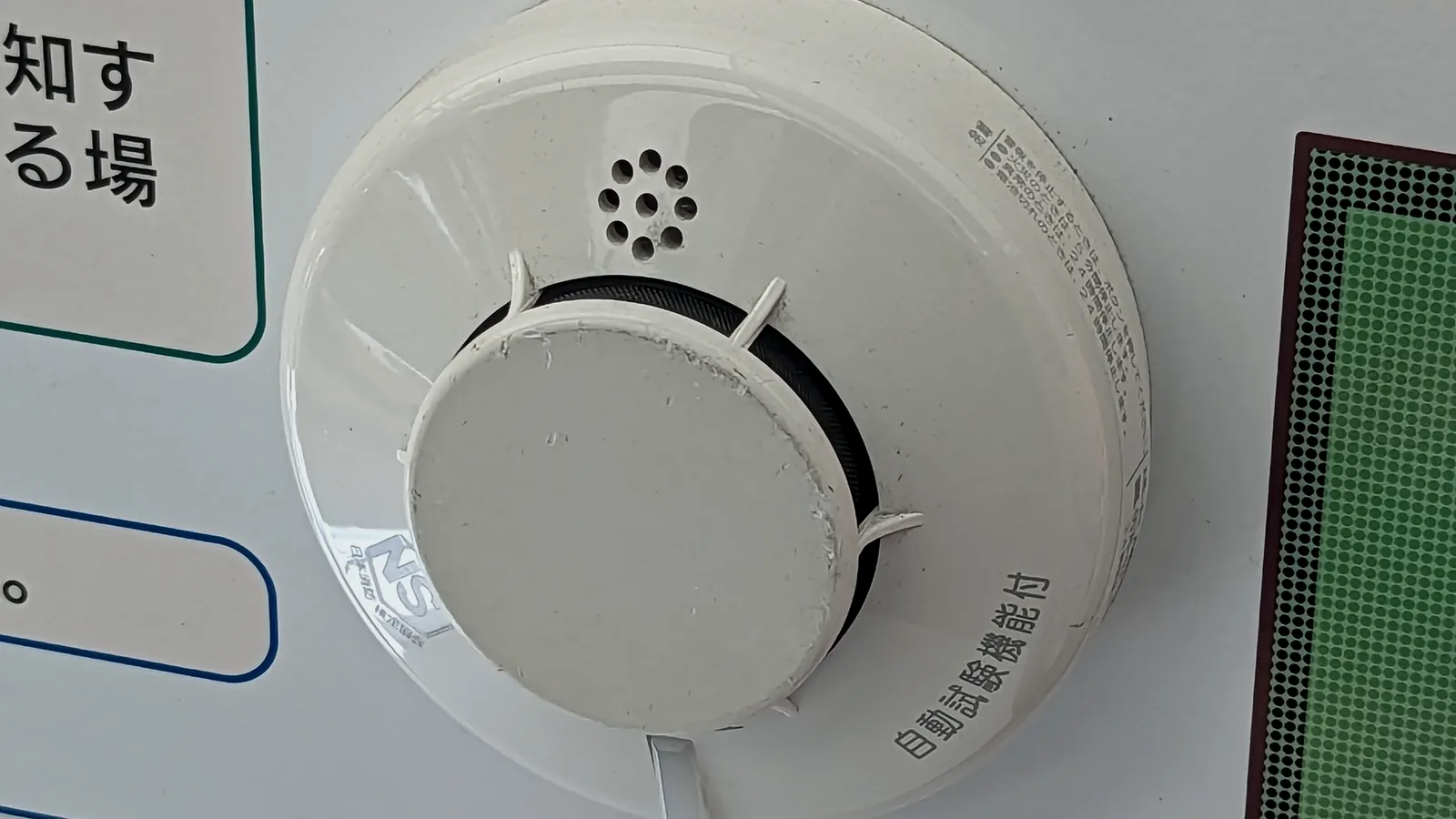
A fire and gas system (F&G) is a system that detects fire and flammable or toxic gas in a facility, raises alarms and starts automatic actions, such as stopping pumps, closing valves or releasing fire protection. At a fuel terminal it watches the pump areas, loading bays, tank farm and buildings. It works alongside the emergency shutdown covered in ESD, SIS and interlock.
In short, sensors find the hazard and a logic solver decides, then the outputs act. The sections below follow that path, separate the F&G system from a building fire alarm, explain the main detector types and show how early warning and public address fit in. Newcomers can read the first paragraph of each section. Veterans will find the design and maintenance detail further down.
Terms
Fire alarm, F&G, EWS and PAGA
Four names appear in almost every terminal project, and they overlap. A building fire alarm covers offices, workshops and control rooms. An F&G system covers process areas. An early warning system (EWS) is the wider idea of catching a hazard early and showing it to operators, and an F&G system is one source of that data. PAGA, public address and general alarm, is the loudspeaker network that carries voice messages and alarm tones across the site.
| Criterion | Building fire alarm | Process F&G system |
|---|---|---|
| Purpose | Warn people and start evacuation | Warn people, and also stop or isolate the process |
| What it detects | Smoke, heat, manual call points | Flame, flammable gas, toxic gas, heat, plus manual call points |
| Typical actions | Horns, beacons, door release, signal to the fire brigade | Horns, beacons, pump stop, valve closure, deluge or foam, ventilation |
| Where it sits | Safe areas, inside buildings | Classified areas outdoors, so detectors are Ex-rated |
| Typical references | NFPA 72, SNI 03-3985-2000 | ISA TR84.00.07, IEC 61511 for the safety functions |
The two are often mixed up because the hardware looks similar. A building system can be done well and still be the wrong tool for a pump bay, where a gas cloud can reach an ignition source before any smoke exists. Citia's fire alarm installation at RSUD Al Ihsan in Bandung is a building case. It covered the panel, the cable network, smoke and heat detectors, manual call points and horns, tested zone by zone while the hospital kept running.
A fire alarm can also be conventional or addressable. A conventional panel knows only which zone alarmed. An addressable panel gives every device its own address, so the panel names the exact detector. For anything bigger than a small room, addressable usually saves search time during a real event.
Architecture
From detector to action
Every F&G system has the same three layers. Detectors in the field send a signal. A logic solver reads all signals and applies the cause-and-effect matrix. Output devices then act. People get alarms, the process gets trips and the fire gets extinguishing.
Flame, gas and heat detectors and manual call points, Ex-rated where the area is classified.
Hover, focus or tap a step to read its note.Gas detectors normally raise two levels. A low alarm warns operators at a small fraction of the lower explosive limit (LEL), and a high alarm at a higher fraction starts action. The exact set points and the actions come from the site's risk assessment and cause-and-effect matrix, not from a generic table.
Two design habits matter most. First, voting: asking for two detectors out of three, or two out of two, before a costly trip cuts false trips from a single faulty sensor. Second, fail-safe wiring: the logic solver monitors each loop for wire breaks and short circuits and raises a fault, so a dead detector never looks like a quiet area. For 4-20 mA loops the 4-20 mA and HART guide explains the fault ranges.
When an F&G function stops a process, its reliability target comes from the safety study. Where a safety integrity level is assigned, IEC 61511 governs how the function is specified, built and tested.
An F&G alarm that nobody understands soon gets ignored. Give each alarm a clear text, a priority and a defined response, following the alarm management practice in ISA-18.2, and keep the first-out detector on the screen so the operator sees the cause before the consequences scroll past.
Detection
Choosing detector types
Fire detectors respond to what a fire produces. Flame detectors see the radiation of a flame, usually in infrared, ultraviolet or both, and react fastest in open areas such as pump bays and loading racks. Heat detectors react to temperature and suit places where smoke or dust would cause false alarms. Smoke detectors belong in rooms and cabinets, not in outdoor process areas.
Dirty windows are the main enemy of optical flame detectors, so cleaning belongs in the maintenance plan.
Gas detectors respond to a gas cloud before it ignites. Catalytic bead sensors are common and cheap but can be poisoned. Infrared point detectors are more stable and work without oxygen. Open-path infrared detectors cover a line across a pump bay or fence. Electrochemical cells measure toxic gases such as hydrogen sulphide, and ultrasonic detectors listen for the sound of a pressurised leak.
Fuel vapour is heavier than air and collects low, so detectors sit near the ground there. Light gases rise, and the mounting height changes with them.
| Criterion | Catalytic bead | Infrared point | Open-path infrared | Ultrasonic |
|---|---|---|---|---|
| Measures | Flammable gas, at a point | Hydrocarbon gas, at a point | Gas along a beam path | Sound of a gas leak |
| Strength | Low cost, proven | Stable, no poisoning | Large area, fast crossing | Works with wind, no gas needed to reach it |
| Weak point | Poisoning, needs oxygen | Costs more per point | Fog, dirt and misalignment | Cannot give a gas concentration |
| Common use | Pump and compressor areas | Tank farm, bays | Perimeter, loading rack | Open pump stations |
Gas detector performance for flammable gas is covered by IEC 60079-29-1, which sets the construction and test requirements for fixed and portable detectors. Detectors in a classified area also need the right Ex certification, covered in hazardous areas and explosion-proof equipment.
Placement is a study, not a drawing exercise. ISA TR84.00.07 gives guidance for evaluating how well an F&G system covers its hazards, looking at where the gas or fire could start and how many detectors would see it. Practical inputs are the gas density, the wind direction, the leak points such as flanges, pump seals and loading arms, and the places where people work.
Flame detectors also need a clear line of sight, because pipe racks, scaffolding and tank walls cast shadows in their field of view. Coverage is best checked on a 3D layout of the area, then confirmed on site.
Toxic gas needs its own thinking. Hydrogen sulphide is dangerous at concentrations far below the flammable range, so a toxic gas detector alarms at much lower levels than a flammable gas detector. Its alarm usually ties into the site procedures for evacuation and breathing apparatus.
Operations
Early warning and PAGA in practice
Detection is useful only when somebody sees it and knows what to do. That is the job of early warning. Citia's bulletin on early warning systems for fuel terminals describes sensors at high-risk points such as storage areas. The devices are Ex-rated and suitable for Zone 0, with real-time monitoring and links to the existing control systems. A second bulletin covers web-based fire and gas monitoring, where accuracy of detection, data security and EWS integration are the main concerns.
At the Citia project Pertamina Priok unloading and backloading, pressure transmitters, temperature transmitters and gas detectors feed the control system, which compares the readings with set points. If a value leaves its range, the system raises an alarm and sends a trip command to the shutdown valve. It is a small example of the F&G idea: several detectors, one logic, one safe action. Before handover, run the full cause-and-effect test with the operators on shift, because the real question is whether people react as the procedure says.
Voice and alarm tones matter as much as the sensors. Citia's PAGA module reconditioning covered inspection, troubleshooting, repair, component replacement and function tests to bring a faulty public address and general alarm module back into service.
Maintenance
Keeping an F&G system trustworthy
Calibrate and bump test gas detectors
Expose each detector to test gas on the interval the manual and the site procedure set, and record the result.
Clean and check flame detectors
Clean the window, then run the built-in or lamp-based test and confirm the detector still sees its field of view.
Test the loops and the logic
Check wire-break and short-circuit faults, then trigger each cause and confirm every effect in the matrix.
Test alarms and PAGA
Walk the site and confirm that horns, beacons and voice messages can be heard and seen in every area.
Control bypasses and inhibits
Record each one with an owner and an end time, and review the open list at every shift handover.
The best design fails if detectors drift out of calibration or bypasses stay open for months. Treat the F&G system like any safety function: test it on a schedule, keep the evidence and review the failures. The PLC troubleshooting guide covers safe working habits while a logic controller is being checked. Keep spares of the detector types in service, because certified Ex detectors can have long lead times.
Terms used in this article
- Fire and gas system (F&G)
- A system that detects fire and gas and starts alarms and automatic actions.
- LEL
- Lower explosive limit, the lowest gas concentration in air that can burn.
- Logic solver
- The controller that reads detector signals and drives the outputs.
- Cause-and-effect matrix
- A table that lists each detector event and the actions it must trigger.
- Voting
- Requiring several detectors to agree before a trip, such as two out of three.
- Addressable
- A fire alarm design where each device has its own address on the loop.
- Early warning system (EWS)
- A system that shows hazards to operators early enough to act.
- PAGA
- Public address and general alarm, the site loudspeaker and alarm network.
Frequently asked questions
What is the difference between a building fire alarm and an F&G system?
A building fire alarm warns people and starts evacuation, while an F&G system also detects flammable gas and acts on the process, for example by stopping pumps or closing valves. F&G detectors sit in classified outdoor areas, so they are Ex-rated, and their logic is tied to the plant's shutdown.
Which gas detectors are used at a fuel terminal?
Infrared point and open-path detectors are the usual choice for hydrocarbon vapour, with catalytic bead sensors in some older installations. Electrochemical cells cover toxic gases such as hydrogen sulphide where they are present. Fuel vapour is heavier than air, so point detectors are mounted low near the likely leak points.
What is PAGA?
PAGA means public address and general alarm. It is the loudspeaker network that carries voice announcements and alarm tones across a site, so people in noisy outdoor areas hear the warning and the instruction that goes with it.
What is an early warning system at a fuel terminal?
An early warning system collects signals from detectors and field instruments, shows them to operators in real time and raises alerts while there is still time to act. F&G detection is one input. Others can be pressure, temperature and tank level.
Is an addressable fire alarm better than a conventional one?
For anything larger than a few rooms, usually yes, because the panel shows exactly which device alarmed and a fault on one device does not disable a whole zone. A conventional system can be adequate and cheaper in a small building. The choice follows the building size and the applicable code.
How often should gas detectors be tested?
The interval comes from the manufacturer's manual, the site procedure and the risk of the area, so there is no single number. What matters is that every test is recorded, a failed bump test triggers a calibration and the record shows the same detector over time.
Sources and further reading
- NFPA 72 National Fire Alarm and Signaling Code (opens in a new tab)
- ISA-84 standards for safety instrumented systems, including technical report TR84.00.07 on fire and gas system effectiveness (opens in a new tab)
- IEC 60079-29-1:2016 Explosive atmospheres, gas detectors, performance of detectors for flammable gases (opens in a new tab)
- IEC 61511-1:2016 Functional safety, safety instrumented systems for the process industry sector (opens in a new tab)
- Badan Standardisasi Nasional (SNI 03-3985-2000, fire detection and alarm systems in buildings) (opens in a new tab)
- ISA-18.2-2016 Management of Alarm Systems for the Process Industries (opens in a new tab)
- Early warning systems for fuel terminal safety monitoring (opens in a new tab)
- Fire alarm system installation at Al Ihsan regional hospital (opens in a new tab)
- Cover photo by Syced, CC0 (opens in a new tab)
Next step
Prepare the technical discussion for your facility.
Bring the equipment list, diagrams and symptoms you have. The Citia team helps map the next step.
Related products and solutions
- KnowledgeHigh and high-high tank level alarms: overfill protection under API 2350A high alarm warns that a tank is nearing its normal fill limit; the high-high alarm is the last layer before the critical level and should come from a sensor independent of the ATG.
- NewsEarly warning systems for fuel terminal safety monitoringCovers Early Warning Systems at fuel terminals, including hazard detection, ex-proof sensors and monitoring integration.
- NewsWeb early monitoring for fire and gas in fuel distribution areasCovers web-based fire and gas hazard monitoring, data security and integration with Early Warning Systems.
- ProjectFire alarm system installation at Al Ihsan regional hospitalFire alarm installation at RSUD Al Ihsan Bandung: panel, cabling, detectors, call points and horns, tested in stages while the hospital stayed in operation.
- ProjectPAGA module reconditioningThe PAGA Module Reconditioning project was carried out to repair a faulty Public Address & General Alarm (PAGA) module so that it works properly again.
- KnowledgeESD vs SIS vs interlock, and what SIL meansEmergency shutdown (ESD) brings a process to a safe state; built to IEC 61511 with a target SIL, it becomes part of a safety instrumented system (SIS).
- KnowledgeHazardous areas and explosion-proof equipment: zones and Ex certificationHazardous areas are split into Zone 0, 1 and 2 by how often an explosive atmosphere appears; electrical equipment in them needs an Ex certificate that matches the zone.