2026Finished
Fuel Terminal Jambi distribution workflow
TAS, device integration and LTSA support
- Year
- 2026
- Location
- Jambi
- Status
- Finished
- Citia's role
- System integration and lifecycle support
- Work types
- LTSA, PLC, SCADA, TAS
- Updated
TAS work in Jambi connects shipment, gate-in, the filling shed and gate-out with SAP, SIOD, RFID, meters, MUI and pump control. LTSA support covers monitoring, troubleshooting, maintenance and development to terminal operating needs.
Overview
The Terminal Automation System (TAS) project at the Pertamina Jambi Fuel Terminal automates and integrates the whole fuel distribution process: shipment management, Gate In, loading at the filling shed, and Gate Out. The system integrates SAP, SIOD, RFID, flow meters, the Meter User Interface (MUI), Programmable Logic Controllers (PLC), the pump control system, and the delivery note (Surat Jalan) and Good Issue processes. Fuel distribution therefore runs in real time, accurately, safely, and as one integrated process.
Challenges
Integrating the fuel distribution process with SAP and SIOD in real time.
Synchronizing communication between RFID, flow meters, MUI, PLC, and the pump control system.
Making sure the shipment, loading, and Gate Out processes run automatically according to operating procedures.
Keeping the system reliable so terminal operations continue without disturbing fuel distribution.
Solutions
Developing a Terminal Automation System that integrates all operating devices and applications on one platform.
Implementing pump control through the PLC, with real-time monitoring of flow meters and MUI during loading.
Integrating the delivery note (Surat Jalan) and Good Issue processes with SAP and the shipment data from SIOD to keep transaction data consistent.
Carrying out system monitoring, troubleshooting, and feature development on an ongoing basis under a long-term service agreement (LTSA).
Lessons learned
Integrating enterprise systems with field devices improves the efficiency, accuracy, and reliability of fuel distribution.
Real-time data synchronization between systems and devices reduces the chance of operating errors.
Ongoing monitoring and maintenance under the LTSA keeps the system stable and makes it easier to develop the system as operating needs change.
From site
Field photos.
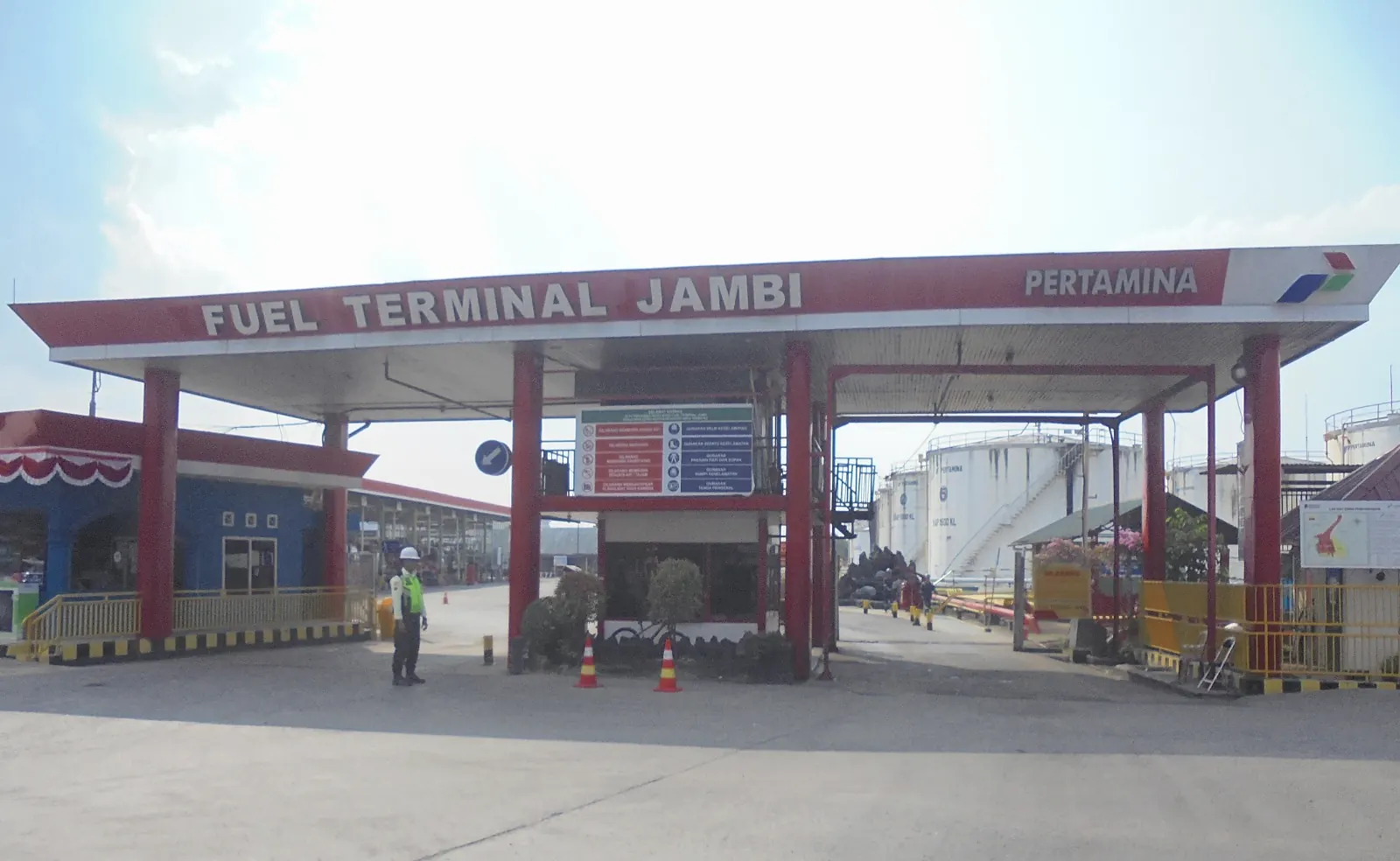
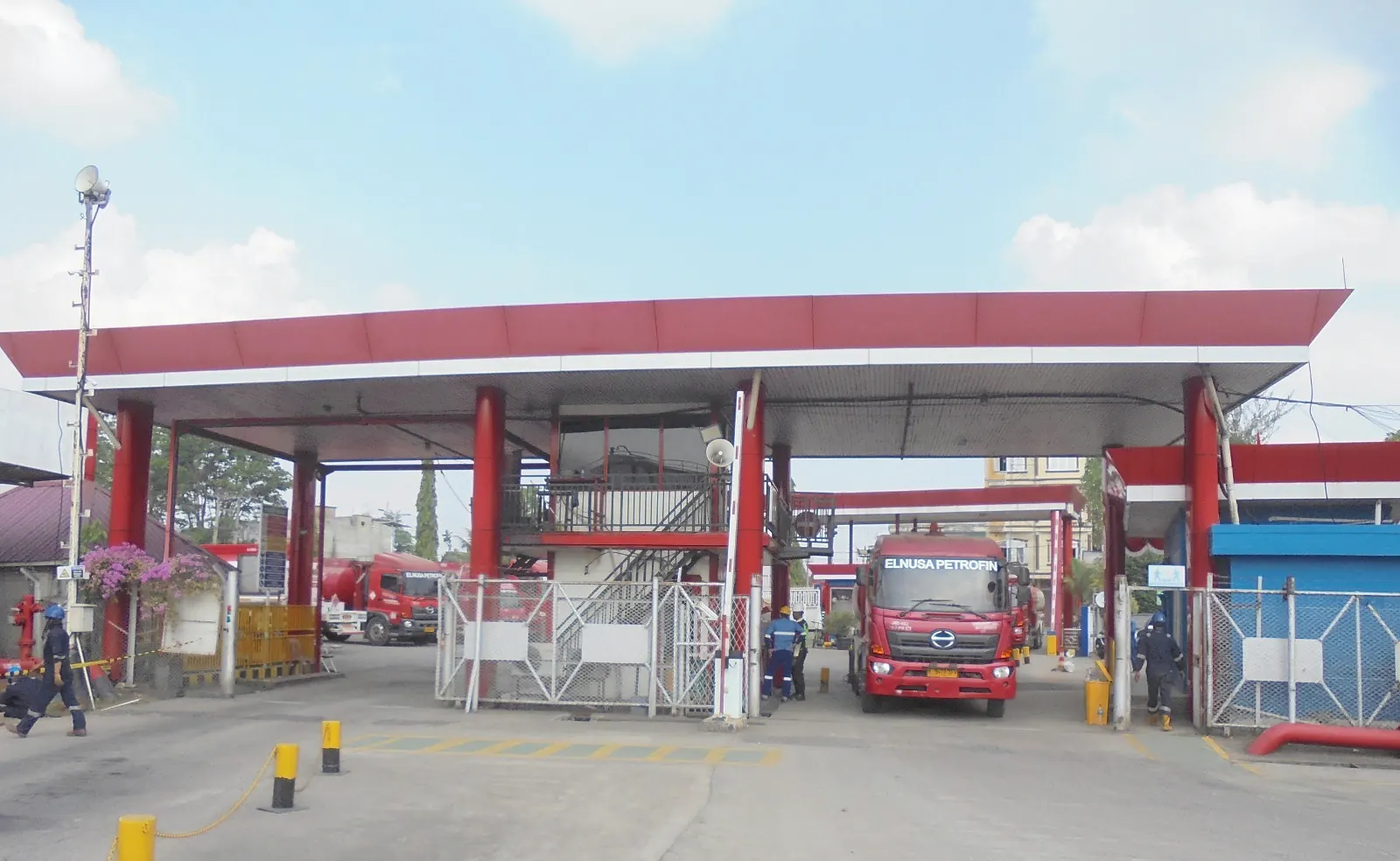
Jambi Terminal: Front view of the loading canopy at Jambi Terminal 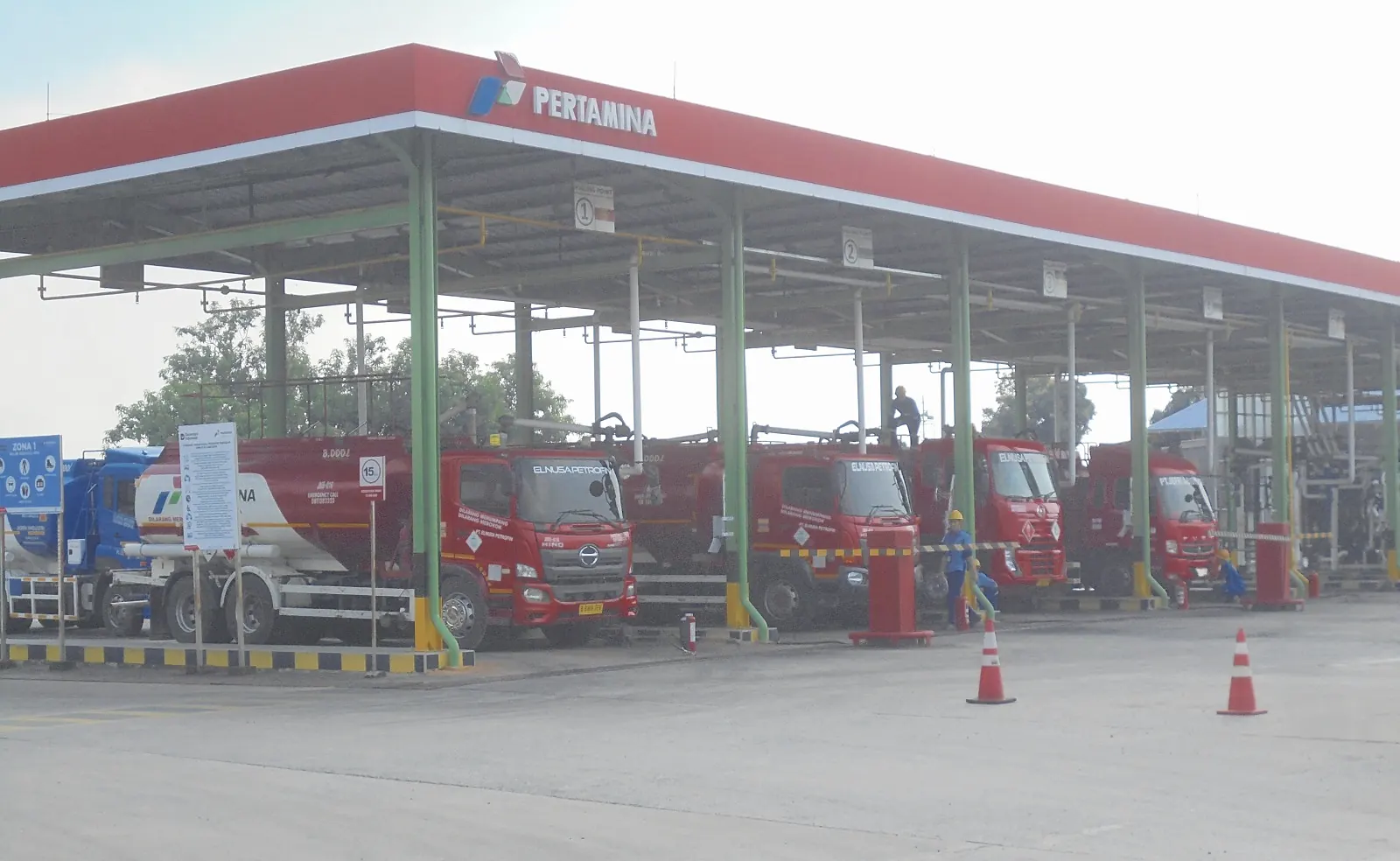
Jambi Terminal: Tanker trucks beneath a loading canopy
A similar need?
Tell us about your facility.
Name the equipment you run and what has to change. We reply with the questions we would ask on site.