2024Finished
Putranata: terminations in three turnaround areas, RU IV Cilacap
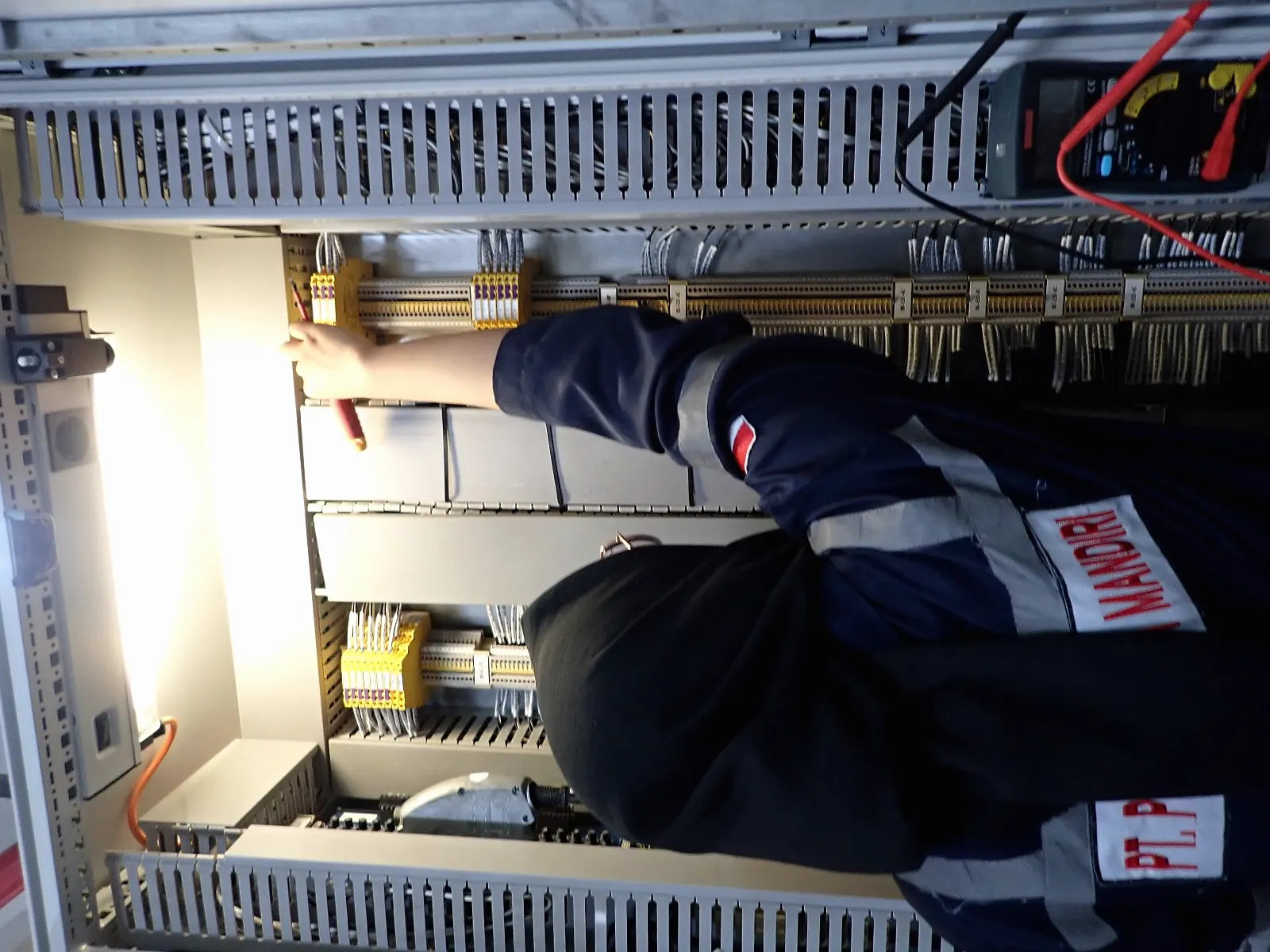
A control panel revitalization and replacement project at the Pertamina Cilacap Refinery, covering three operating areas: KPC, RFCC, and IGB.
- Year
- 2024
- Location
- Cilacap, Jawa Tengah
- Status
- Finished
- Work types
- PLC, Panel, Safety, HMI, Instrumentation
- Updated
Overview This project renewed the electrical and control system (panel replacement/cut-over) at the Pertamina Cilacap Refinery, in three areas: KPC, RFCC, and IGB. Field execution followed a set sequence. First, temporary cables were tagged. Then the existing cables were disconnected and the old panels dismantled, followed by installation of the new panels. Once the panels were in place, the cables were terminated according to the I/O list drawings. The work ended with signal validation through a loop check together with the instrumentation team, and operational handover through the Site Acceptance Test (SAT).
Challenges
Risk of I/O mismatch: Dismantling old panels and re-terminating carries a high risk of swapped cables, lost cable identity, or wiring errors, which could have serious consequences for the refinery control system.
Read the full record
Cut-over time: The transition from disconnecting cables and dismantling panels to having the new panel ready for use had to be managed tightly in time, to avoid long downtime in the KPC, RFCC, and IGB areas.
Field signal synchronization: Making sure the field instruments communicate correctly with the new control panel was often held back by the condition of the existing cables and instruments, which are old.
Solutions
Strict tagging procedure: A thorough and orderly temporary cable tagging procedure was carried out before the cables were disconnected. This gave every cable a clear identity when it was terminated again at the new panel.
Work based on the I/O list: The latest I/O list drawing was the single source of truth for technicians during termination, to ensure 100% accuracy.
Cross-discipline collaboration: The instrumentation team worked side by side with us during the loop check. This sped up troubleshooting whenever a signal anomaly appeared before the SAT stage.
Lessons learned
Spending more time on early preparation, especially cable tagging and documentation of the existing cables, sped up the installation phase and kept rework during termination to a minimum.
Involving the instrumentation team directly from the loop check phase is essential. Good communication between field teams meant every punchlist item was closed quickly, so the Site Acceptance Test (SAT) could be approved without obstacles.
A similar need?
Tell us about your facility.
Name the equipment you run and what has to change. We reply with the questions we would ask on site.