Technical bulletin
Safety automation for fuel transfer and distribution
Covers fuel transfer monitoring, overfill detection and automated emergency response through PLC and SCADA integration.
- PLC
- SCADA
- Overfill
- Type
- Technical bulletin
- Published
- 24 September 2025
- Reading time
- 2 min
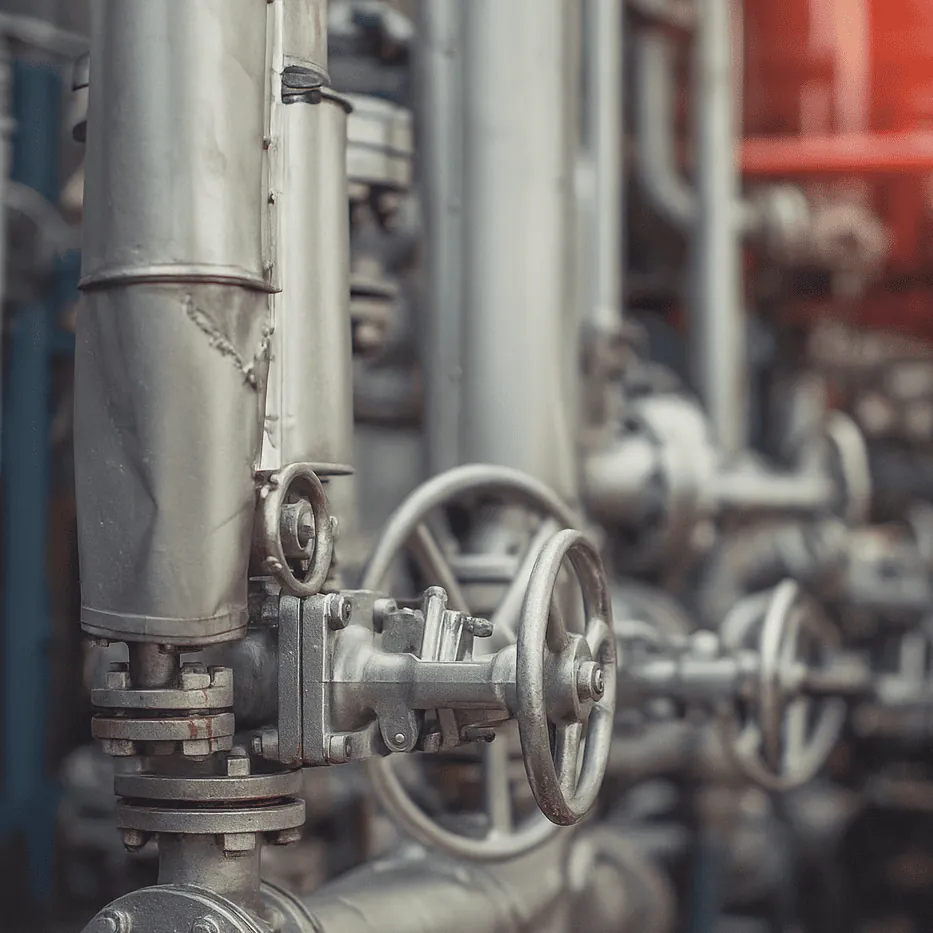
Safety in fuel distribution is very important to prevent incidents that endanger the environment and worker safety. Fuel transfer and distribution carry high risk, so automation is key to improving efficiency and safety. The overfill system that is applied detects spills quickly, minimizing the risk of harmful leaks.
Advanced automation enables real-time monitoring of pressure, flowrate and potential spills. Early detection of hazards allows a fast response to prevent incidents. Integrating this automation makes fuel distribution safer, more reliable and in line with strict industry safety standards.
Key concern
Leak and spill risk
Fuel transfer and distribution carry a high risk of leaks and spills that can damage the environment and endanger safety. Without a fast, automatic detection system, this risk increases significantly.
Automation system reliability
The challenge of reliability in automation systems, including overfill detection and real-time monitoring, is very important to ensure operational safety. These systems must be able to respond quickly to potential hazards to prevent larger incidents.
Solution
The system is also equipped with a safety PLC and SCADA that work together to monitor conditions and respond automatically to anomalies.
Installing overfill sensors and pressure transmitters in the fuel transfer system ensures early detection of potential spills and real-time pressure monitoring. This is effective in preventing the risk of leaks and overpressure that can damage equipment and disrupt operations.
The system is also equipped with a safety PLC and SCADA that work together to monitor conditions and respond automatically to anomalies. With this combination of technologies, the system ensures higher operational safety, reduces the risk of incidents and improves reliability during fuel distribution.
Next step
Discuss a similar need at your facility.
Tell us about the equipment and the process. The Citia team answers with technical context.