
Tank Farm & Inventory
What to prepare before an ATG integration assessment
Device lists, protocols, tank tables and network conditions make TMS integration discussions more precise.
- Topic
- Tank Farm & Inventory
- Updated
- 5 November 2026
- Reading time
- 2 min
- Sections
- 5
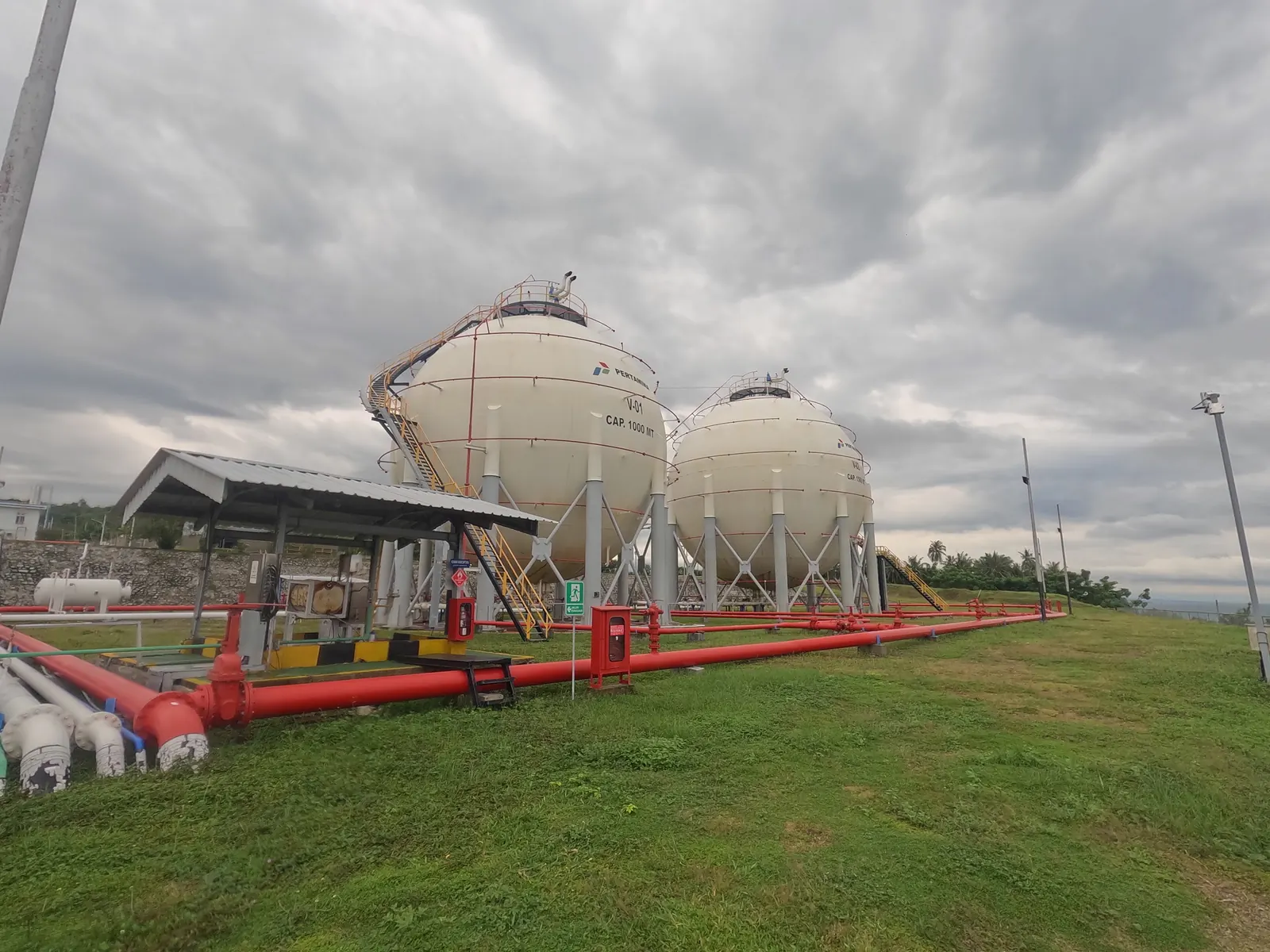
Do not start with the brand alone
Two devices from the same brand can have different models, firmware and interfaces. Before discussing ATG integration, list each tank device with its model, condition and communication path. Nameplate photographs and existing diagrams help reduce assumptions.
Experience integrating one device does not mean every model or configuration behaves the same way. Compatibility must be reviewed against the actual installed base.
Assessment therefore separates measurement, communication and data-processing layers.
Map the measurement-to-application path
Show how the ATG, interface or fieldbus, gateway, network and TMS server connect. Record protocols, device addresses, communication ports and available engineering configuration. Share sensitive access details through an appropriate channel rather than a public form.
On legacy equipment, power-supply, converter or communication problems can resemble application problems. Assessment therefore separates measurement, communication and data-processing layers.
List each tank device with its model, condition and communication path. Nameplate photographs and existing diagrams help reduce assumptions.
Hover, focus or tap a step to read its note.Check the inventory calculation basis
Level alone does not explain inventory volume. Prepare the tank table in use, relevant dimensions, units, temperature/density parameters and correction or manual-input procedures. Also identify the tank-ticket documents required.
When comparing a new system with existing records, use matching acquisition times and calculation bases. Investigate discrepancies before attributing them to instrument error.
Prepare testing around operations
Agree on work windows, area access, accompanying personnel and configuration-change boundaries. Tests can check reading consistency, communication status, history, in-scope alarms and reporting outputs.
Configuration backups, test records and as-built documents help operations understand what changed. Acceptance criteria should be agreed before execution.
Agree the work window
Work windows, area access, accompanying personnel and the limits on configuration changes.
Run the checks
Reading consistency, communication status, history, in-scope alarms and reporting outputs.
Keep the records
Configuration backups, test records and as-built documents show operations what changed.
Agree acceptance criteria
Before the work is carried out.
A concise preparation list
The following material can start a TMS/ATG assessment discussion with Citia.
- Tank, ATG, model and device-condition list
- Communication diagram and available gateway configuration
- Tank tables, units and existing inventory documents
- Example symptoms, occurrence times and relevant logs
- Integration scope, work windows and acceptance criteria
Next step
Prepare the technical discussion for your facility.
Bring the equipment list, diagrams and symptoms you have. The Citia team helps map the next step.